
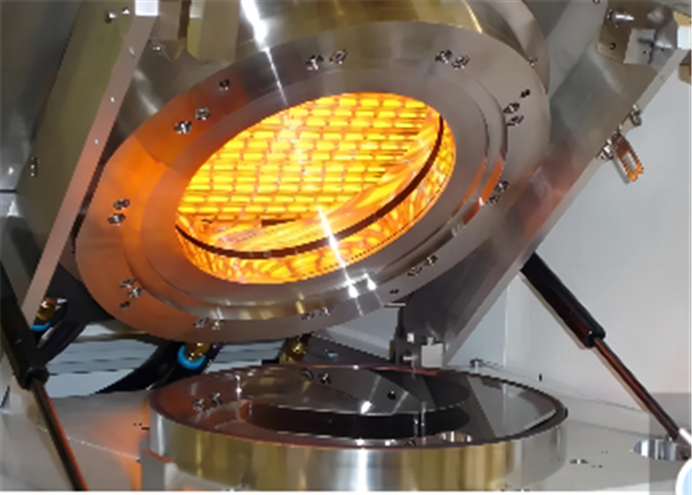
Why We Use Gold Reflectors for IR Curing
The semiconductor world is pushing hard toward lead-free, eco-friendly standards. It sounds great on paper, but in the actual fab, it’s a headache. Standard convection ovens just aren’t cutting it. They spend way too much time heating up the air before they even touch the part. It’s a waste of power, and honestly, it’s a great way to accidentally contaminate your wafers. That’s why we stick with infrared (IR) bulbs and gold reflectors.
The magic of the gold mirror
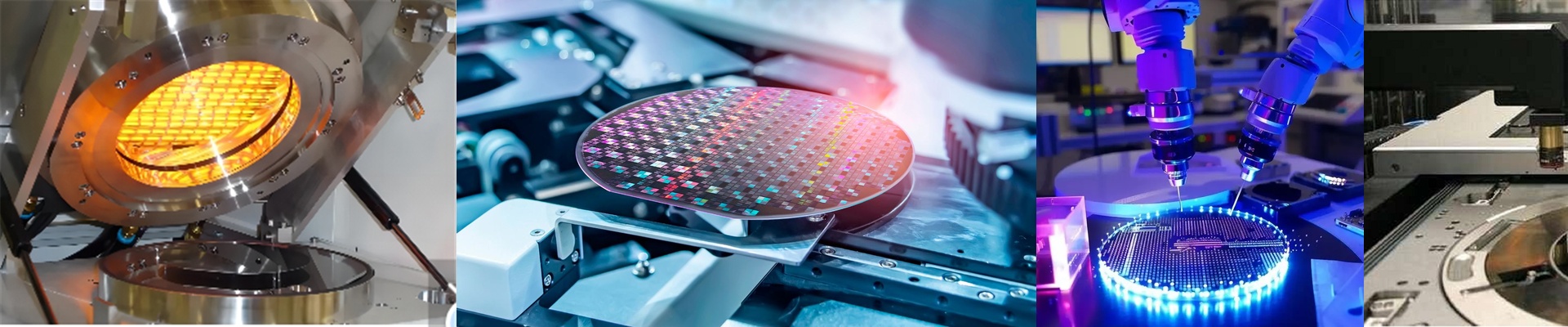
Here is the thing about IR bulbs: they throw heat in every single direction. 360 degrees of radiation. If you just hang a bulb in a machine, half that energy disappears into the chassis. It’s basically heating up the room instead of the product. We fix that by adding a gold-coated reflector. Why gold? Because when it comes to infrared wavelengths, gold bounces heat back way better than aluminum does. It catches that wasted energy and slams it right back down onto the wafer. The result? Your parts heat up faster, and your power bill stays lower. It’s just efficient.
Dealing with lead-free headaches
If you’ve worked with lead-free solders or adhesives, you know they’re picky. They need higher temperatures and a much tighter thermal profile than the old leaded stuff. If your heat is uneven, you’re looking at voids or cold joints. Total scrap. IR curing handles this by transferring heat directly. It hits the target material without bothering the air around it. You don’t need those massive, noisy ventilation systems or harsh chemical solvents to get things dry. It’s a clean, quiet process.
The “Gotchas” (Read this part)
Now, you can’t just throw these bulbs into any old rig and hope for the best. Because the heat density is so high, it’s easy to fry your substrate if your belt speed is off by even a little bit. I’ve seen engineers absolutely torch components because they didn’t pay enough attention to the gap between the lamp and the part. You’ve got to be smart about your PID controllers and sensors. They need to keep up with how fast the temperature spikes. And please, check your cooling fans. If they can’t move the air, your reflector housing is going to take a beating over time. Get the wiring and the timing right, and you’ll hit those strict curing windows without killing the planet.