
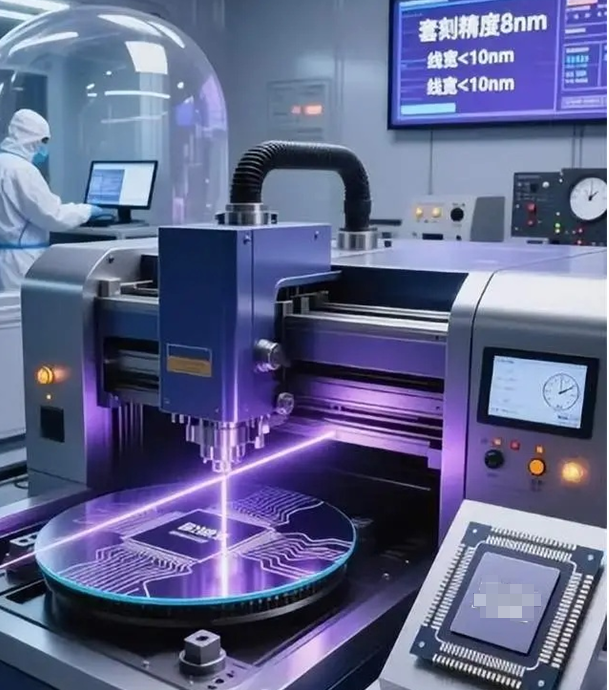
Why we switched to IR curing for lead-free biosensors
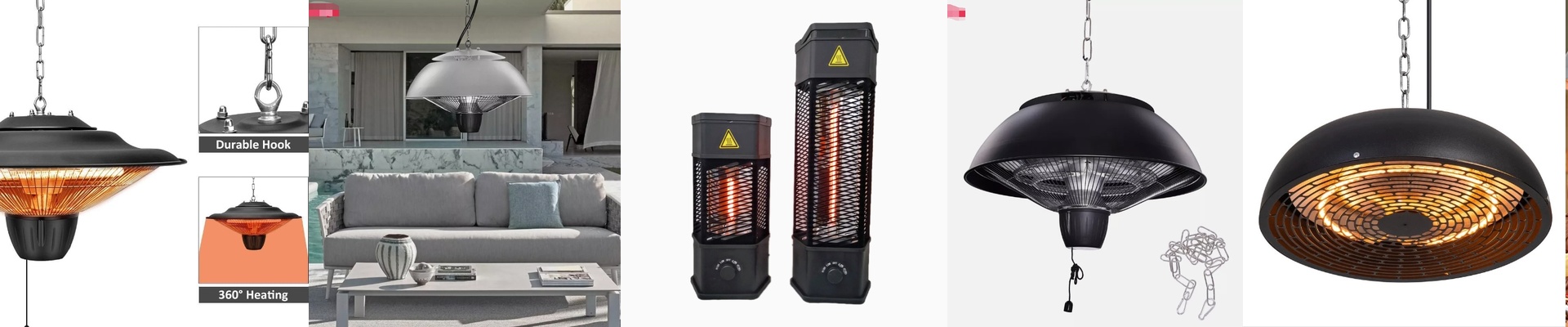
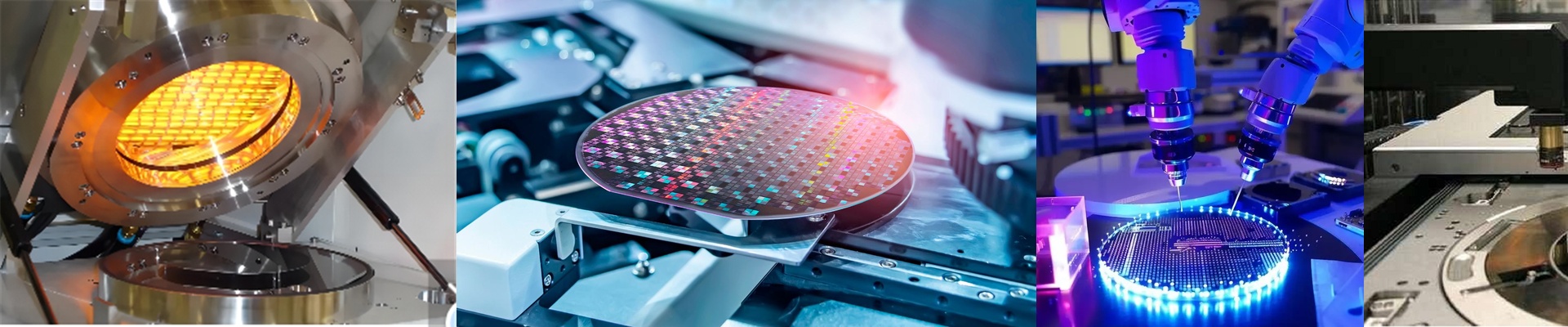
When you’re building biosensors, getting the heat just right is a nightmare. You need to cure the polymers and lock in those biological layers, but if you push it too hard, you’ll fry the substrate. We started using infrared (IR) lamps because they handle things differently. Instead of blowing hot air around, they use radiation. It means no forced air, no messy chemical solvents, and—best of all—no weird residues left on your wafer.
IR vs. the old-school oven
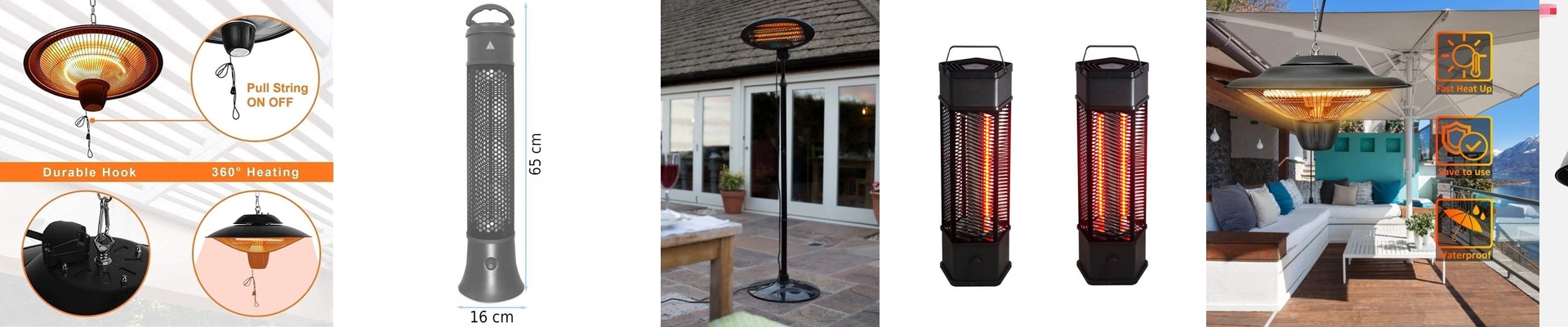
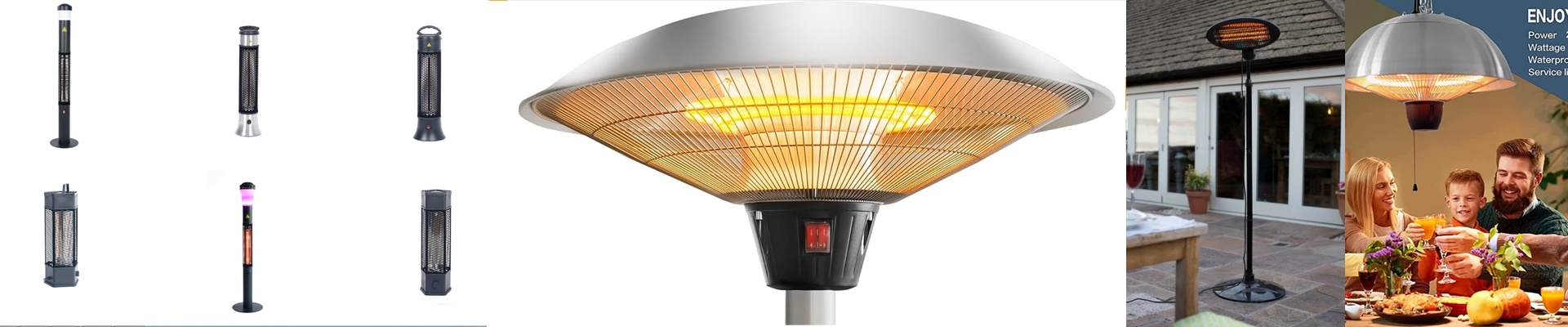
Think about a standard drying oven. You’re basically heating up a giant metal box and all the air inside it just to get your part warm. It’s a waste of energy. IR lamps are different. They go straight for the material. The photons hit the surface, get the molecules moving, and generate heat from the inside out. It happens in seconds. There’s no “waiting for the oven to preheat,” which makes the whole process feel way faster.
Going green without the headache
The industry is pushing hard for “lead-free” and “green” setups. In the past, the only way to speed up these reactions was to lean on heavy-metal catalysts or volatile organic compounds (VOCs). But with IR, you can just ditch those chemicals. The intense radiant heat does the heavy lifting for the polymerization. No toxic fumes, no lead-based fluxes. Just a clean, dry process that keeps the regulators happy.
The tricky part (and how to fix it)
Now, it’s not all magic. IR is a precision tool, and if you’re careless, it’ll bite you. If the lamp is too close, you’ll get “hot spots” that burn right through your organic layer. You also have to watch the edges; if the heat density is off, the outside of your sensor will cure while the center is still gooey. The trick is in the calibration. We found that using short-wave IR works great for the surface, while medium-wave is better for getting deeper into the material. Pair that with a PID controller to keep your temperature windows tight, and you’ve got it. You hit all your environmental specs and your throughput stays high, without the stress of ruining a batch.